
service tel


No. 1, Huanghe East Road, Qingdao, Shandong, China
Время:2025-12-04
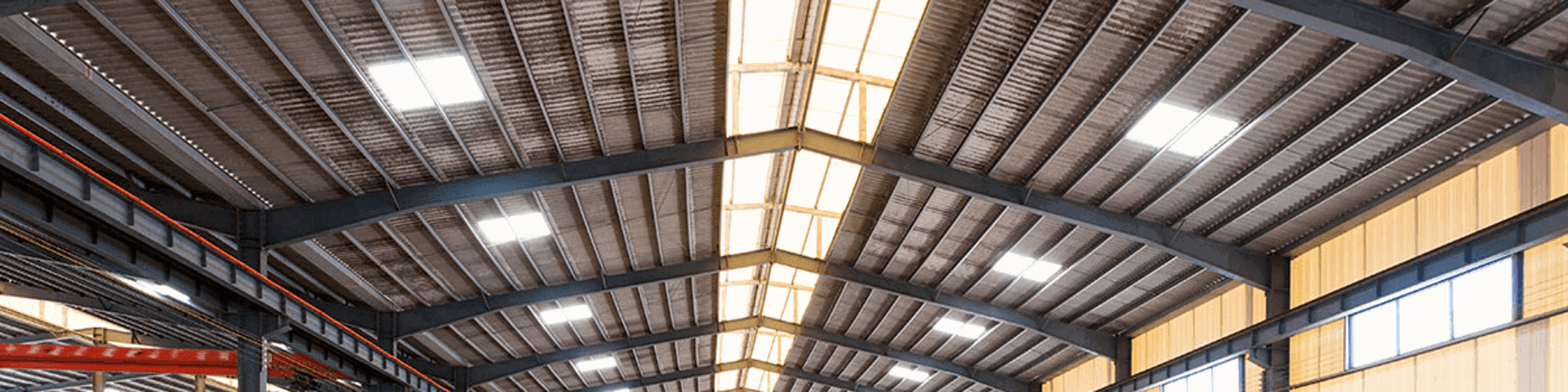
В современном мире бизнеса складское хранение играет ключевую роль в обеспечении эффективности цепочек поставок. С ростом глобализации и увеличением спроса на быструю доставку, традиционные методы хранения становятся все менее эффективными. Именно здесь высокоинтенсивные стеллажи (ВИС) вступают в игру, предлагая инновационные решения, которые революционизируют складскую отрасль. В этой статье мы подробно рассмотрим, что такое высокоинтенсивные стеллажи, их преимущества, технологии, применение, а также будущие тенденции.
Высокоинтенсивные стеллажи — это тип складского оборудования, предназначенный для максимального использования вертикального пространства и оптимизации процессов хранения и извлечения товаров. В отличие от традиционных полочных или паллетных систем, ВИС часто интегрируются с автоматизированными системами, такими как краны-штабелеры или роботизированные установки, что позволяет значительно повысить плотность хранения и скорость операций.
История развития высокоинтенсивных стеллажей начинается с середины XX века, когда промышленность начала искать способы сократить затраты на складирование. Первые системы были простыми, но с advancements в технологии, особенно в области автоматизации и компьютерного управления, ВИС эволюционировали в сложные, высокоэффективные решения. Сегодня они являются неотъемлемой частью современных складов, особенно в отраслях с высокими объемами товарооборота, таких как розничная торговля, электронная коммерция и производство.
Ключевые характеристики высокоинтенсивных стеллажей включают высокую плотность хранения, возможность интеграции с автоматизированными системами, улучшенную безопасность и снижение затрат на труд. Эти системы позволяют хранить товары в multiple levels, используя высоту склада до потолка, что особенно важно в urban areas, где пространство ограничено и дорого.
Одним из основных преимуществ высокоинтенсивных стеллажей является значительное увеличение плотности хранения. По сравнению с традиционными системами, ВИС могут увеличить емкость склада на 50-100%, просто используя вертикальное пространство более эффективно. Это достигается за счет уменьшения проходов между стеллажами и использования автоматизированных устройств для доступа к товарам на high levels.
Еще одно важное преимущество — повышение эффективности операций. Автоматизированные системы, интегрированные с ВИС, такие как automated storage and retrieval systems (AS/RS), позволяют сократить время на погрузочно-разгрузочные работы, уменьшить ошибки и улучшить точность инвентаризации. Это leads to faster order fulfillment, что критически важно в era электронной коммерции, где клиенты ожидают быстрой доставки.
Кроме того, высокоинтенсивные стеллажи способствуют снижению операционных затрат. Хотя первоначальные инвестиции могут быть высокими, долгосрочная экономия за счет сокращения labor costs, уменьшения повреждений товаров и оптимизации энергопотребления (например, за счет更好的 insulation в automated systems) делает ВИС экономически выгодными. Также, эти системы улучшают безопасность, минимизируя необходимость manual handling на высоте.
Экологические аспекты также играют роль. Более эффективное использование пространства означает, что меньше земельных ресурсов требуется для строительства складов, что contributes to sustainability. Кроме того, автоматизированные системы often use energy-efficient technologies, further reducing the carbon footprint.
Высокоинтенсивные стеллажи rely on a combination of mechanical engineering, automation, and software technologies. Key components include the rack structure itself, which is designed to support heavy loads at great heights, and automated equipment such as stacker cranes, conveyors, and robotic arms.
Software plays a crucial role in managing these systems. Warehouse management systems (WMS) integrate with the automated equipment to optimize storage locations, track inventory in real-time, and coordinate movements. Advanced algorithms are used for tasks like slotting optimization, where goods are placed in locations that minimize retrieval times based on frequency of access.
Innovations in sensor technology and IoT (Internet of Things) have further enhanced high-intensity racking systems. Sensors monitor conditions such as temperature and humidity, ensuring optimal storage for sensitive goods, while IoT devices enable predictive maintenance, reducing downtime.
Another technological advancement is the use of artificial intelligence (AI) and machine learning. AI can analyze historical data to predict demand patterns, optimize inventory levels, and even automate decision-making processes for storage and retrieval. This leads to a more responsive and adaptive warehouse environment.
Examples of specific technologies include shuttle systems, which are automated vehicles that move within the racks to store and retrieve pallets, and vertical lift modules (VLMs), which use automated elevators to bring items to the operator. These technologies not only increase efficiency but also improve ergonomics by reducing physical strain on workers.
Высокоинтенсивные стеллажи нашли применение в широком спектре отраслей. В розничной торговле, особенно у крупных ритейлеров, такие системы используются для хранения большого ассортимента товаров с быстрым оборотом. Например, компании like Amazon и Walmart extensively use automated racking systems in their fulfillment centers to handle millions of SKUs (stock keeping units) and ensure rapid order processing.
В manufacturing sector, high-intensity racking is used for storing raw materials, work-in-progress, and finished goods. The ability to quickly access components reduces production downtime and supports just-in-time manufacturing practices. Industries such as automotive and electronics benefit greatly from these systems due to their high precision and reliability.
Фармацевтическая и пищевая промышленности также adopt high-intensity racking for their need to maintain strict temperature control and hygiene standards. Automated systems minimize human contact, reducing the risk of contamination, and advanced monitoring ensures compliance with regulatory requirements.
In the e-commerce sector, the demand for high-intensity racking has surged. With the growth of online shopping, warehouses need to handle a high volume of small, diverse orders. Systems like automated guided vehicles (AGVs) and robotic picking arms integrated with racking allow for efficient sorting and packing, enabling same-day or next-day delivery services.
Case studies highlight the success of these applications. For instance, a major logistics company reported a 30% increase in storage capacity and a 20% reduction in operational costs after implementing a high-intensity racking system with AS/RS. Another example is a cold storage facility that used automated racking to improve energy efficiency and reduce product spoilage.
When compared to traditional storage systems like selective pallet racking or bulk storage, high-intensity racking offers several distinct advantages. Traditional systems often require wide aisles for forklift access, which wastes valuable space. In contrast, high-intensity systems use narrow aisles or no aisles at all, maximizing storage density.
In terms of operational efficiency, traditional systems rely heavily on manual labor, which is slower and more prone to errors. High-intensity systems automate many processes, leading to higher throughput and accuracy. For example, in a traditional warehouse, order picking might involve workers walking long distances, whereas automated systems bring items directly to the picker.
Cost-wise, the initial investment for high-intensity racking is higher due to the need for automation equipment and software. However, the long-term savings in labor, space, and reduced product damage often justify the investment. Traditional systems may have lower upfront costs but incur higher ongoing expenses.
Flexibility is another factor. Traditional racking is more adaptable to changes in inventory types and volumes, as it can be easily reconfigured. High-intensity systems are more fixed but offer superior performance for high-volume, predictable operations. Advances in modular design are making high-intensity systems more flexible over time.
Safety considerations also differ. Traditional systems pose risks such as forklift accidents and falls from height, while automated high-intensity systems reduce human involvement in dangerous tasks, enhancing overall safety.
The future of high-intensity racking is shaped by ongoing technological innovations. One emerging trend is the integration of blockchain technology for enhanced traceability and security in supply chains. Blockchain can provide immutable records of inventory movements, reducing fraud and improving transparency.
Another trend is the development of more sustainable racking systems. This includes the use of recyclable materials, energy-efficient automation, and designs that minimize environmental impact. As companies focus on corporate social responsibility, green warehousing becomes a priority.
Artificial intelligence and machine learning will continue to evolve, enabling predictive analytics for inventory management and autonomous decision-making. For example, AI could predict peak demand periods and automatically adjust storage configurations to optimize performance.
Robotics will become more advanced, with collaborative robots (cobots) working alongside humans in warehouses. These robots will be capable of handling complex tasks such as item recognition and adaptive gripping, further increasing efficiency.
The rise of the Internet of Things (IoT) will lead to smarter warehouses where every asset is connected. Real-time data from sensors will enable dynamic adjustments to storage conditions and operational processes, creating a more responsive and efficient environment.
Additionally, as e-commerce grows, there will be a greater emphasis on micro-fulfillment centers located in urban areas. High-intensity racking systems will be essential in these compact spaces to meet the demand for rapid delivery.
Высокоинтенсивные стеллажи представляют собой революцию в складском хранении, предлагая беспрецедентные уровни эффективности, плотности и автоматизации. От их скромного начала до современных передовых систем, они transformed how businesses manage inventory and fulfill orders. Преимущества, включая reduced costs, improved safety, and environmental benefits, make them indispensable in today's competitive landscape.
As technology continues to advance, we can expect even more innovations in this field, further enhancing the capabilities of high-intensity racking systems. Businesses that adopt these solutions will be better positioned to meet the challenges of modern logistics and thrive in the digital economy.
In summary, the adoption of high-intensity racking is not just a trend but a strategic imperative for any organization looking to optimize its warehouse operations. By embracing these systems, companies can achieve greater agility, scalability, and customer satisfaction.
This article has provided a comprehensive overview of high-intensity racking systems, covering their history, benefits, technologies, applications, and future trends. For more information, consider consulting with industry experts or exploring case studies from leading providers.
